
Faulheit in der Kunst
Studien zu Acedia und Müßiggang vom Mittelalter bis zur Frühen Neuzeit
€98.00
(inklusive MwSt.)
Verfügbarkeit: Noch nicht erschienen, Bestellung ist vorgemerkt
Zusatztext
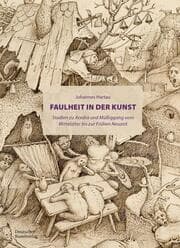
The theme of slothfulness was handled during the Middle Ages and the early modern period in drawings, prints, paintings, tapestries and sculptures, most of which are related to the seven deadly sins. They came from the hands of artists such as Dürer, Cranach, Goltzius, Bruegel, etc. and were often illustrations of key texts by Prudentius, Dante, Sebastian Brant and Christine de Pizan. These have a specific aim, namely to rouse the indolent. Slothfulness thus belongs in a socio-historical context, which is elaborated in the textual analysis as well as the interpretation of images. On occasion, the latter add a humorous-ironic note to the literary models and their strictly didactic impetus. - First monographic description of slothfulness, acedia and idleness Depictions of slothfulness by wellknown and unknown artists Analysis of familiar and unknown literary works on the theme of slothfulness
Autorenportrait
Johannes Hartau, ZI Munich, Hamburger Kunsthalle and University, research on topics relating to the Middle Ages, early modern period.
Weitere Details
Erschienen: 29.03.2026
Umfang: 496 S., 185 farbige Illustr., 185 col. ill.
Sprache: Deutsch
Einband: GEB
ISBN/EAN: 9783422801851
Umbreit-Nr.: 1357146
